
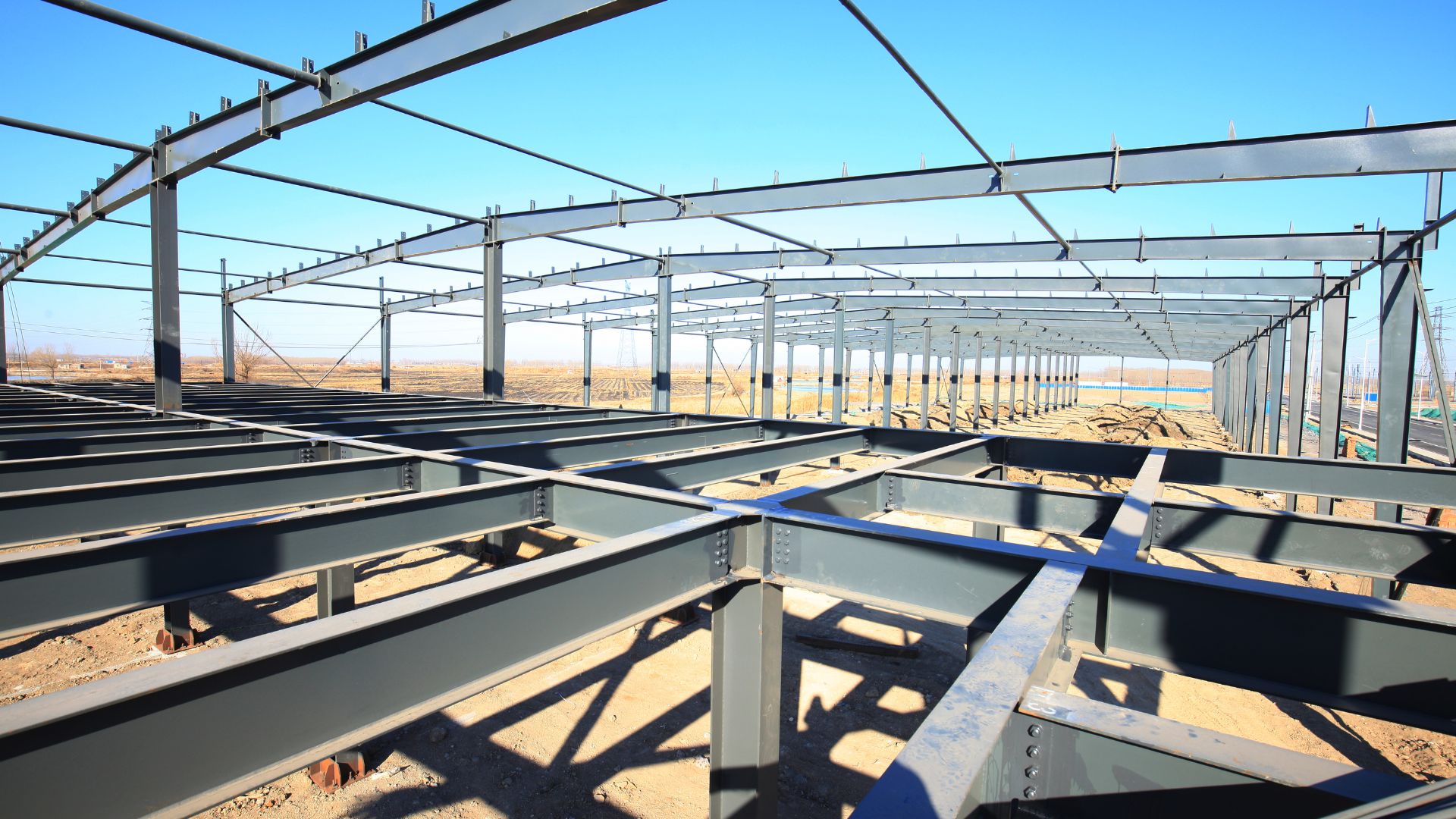
The decision to build a steel hall is a crucial step that can have long-term consequences for your business. Therefore, it's worth choosing a proven and experienced contractor to ensure the project is completed to the highest standard. Here are some key advantages of this choice:
1. Guarantee of quality and safety
An experienced contractor is familiar with the latest technologies and industry standards. This ensures that your facility will be not only robust but also safe for users and compliant with all legal requirements.
2. Efficiency and punctuality
With extensive experience comes the ability to plan and organize work. This means that the project will be completed according to the agreed schedule, without unnecessary delays.
3. Cost optimization
A professional contractor can select the best technical solutions and materials, which translates into savings both during the construction phase and during the subsequent operation of the hall.
4. Individual approach and advice
Experienced companies often offer comprehensive support—from design, through selecting the best solutions, to assistance in obtaining necessary permits. This makes the entire process simpler and less stressful.
5. Long-term durability and reliability
Steel halls constructed by specialists with extensive experience are more resistant to weather conditions and damage, which guarantees their long service life.
To sum up,
By choosing an experienced steel building contractor, you can be sure that your project will be completed to the highest standard. Experience means the company knows its stuff, can anticipate potential problems, and effectively prevent them. This ensures the entire project runs smoothly, and the final result is solid and durable. Furthermore, an experienced contractor often has better contacts and access to proven materials, which can reduce costs and speed up completion. In short, by choosing someone with experience, you're investing in certainty, quality, and peace of mind!
Steel halls vs. traditional buildings: what’s best for your investment?
- These days, when planning the construction of large industrial, warehouse, or sports facilities, we increasingly face the choice: steel or traditional buildings? Both solutions have their advantages and disadvantages, so it's worth carefully analyzing them to make the best decision. In this article, we'll examine both options, focusing in particular on the advantages of steel buildings, which are gaining in popularity. Steel buildings – advantages and disadvantages Advantages:
- Speed of execution – steel halls can be built much faster than traditional ones. Prefabricated structures are manufactured in factories, and assembly on site usually takes from several weeks to several months.
- Design flexibility – steel allows for the creation of large, open spaces without the need for many internal supports. It is an ideal solution for warehouses, production halls or stadiums.
- Lightness of construction – steel is a lightweight material, which allows for smaller foundations and reduced foundation costs.
- Durability and resistance – properly protected, steel is resistant to corrosion, weather conditions and mechanical damage.
- Possibility of expansion and modification – steel halls can be easily expanded or modified in the future, which is a big advantage in a dynamically changing business environment.
- Requires appropriate thermal and acoustic insulation to ensure comfort of use.
- The need for anti-corrosion protection, which involves additional costs.
- In some cases, especially in smaller buildings, it may be perceived as less aesthetically pleasing compared to traditional solutions.
Here are the most important differences between a steel hall and a traditional one that will help you better understand how they differ:
1. Material and construction
Steel hall: The main material is steel, which is prefabricated into components in factories and assembled on site. The structure is based on steel columns, beams, and frames, allowing for great flexibility in shape and size.nn-
Traditional hall: Most often constructed of bricks, blocks, concrete, or other masonry materials. The structure rests on masonry walls and foundations, requiring longer construction times and greater labor input.
2. Lead time
Steel hall: Construction is much faster because the components are prefabricated and assembled on site, which usually takes from a few weeks to several months.
Traditional hall: Construction takes longer because it requires erecting walls, foundations, ceilings and other elements by hand, which can take up to several months or years
3. Costs
Steel hall: Usually cheaper to build, especially with large spans and open spaces, so you can save on structure and foundations.
Traditional hall: Cost may be higher, especially with large spans and the need for internal supports, as well as longer construction times.
4Flexibility and expansion
Steel hall: Easy to expand, modify, and adapt in the future. Structures can be expanded or changed without the need for major demolition work.
Traditional hall: Modifications are more difficult and expensive
 English
  Polish
  German